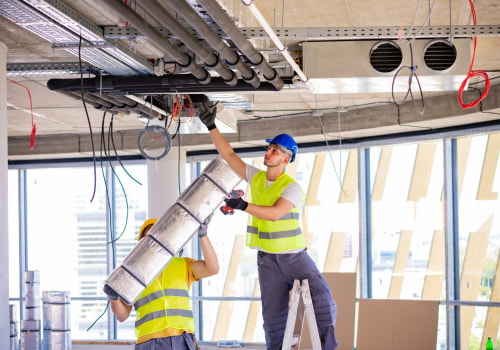
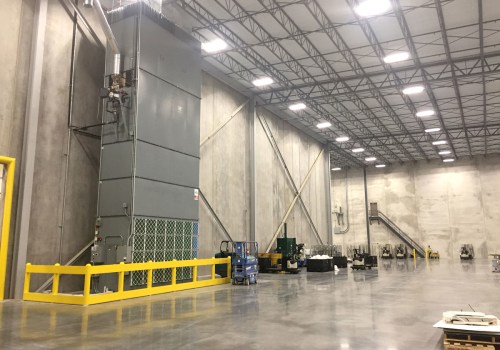
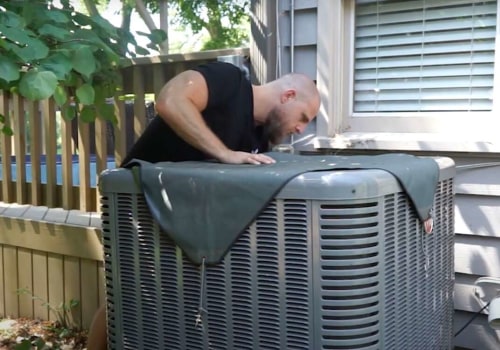
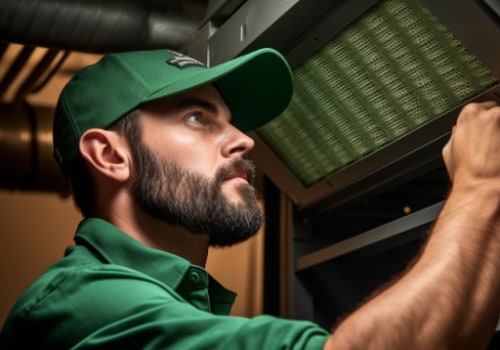
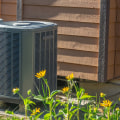
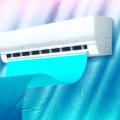
In today's world, maintaining a comfortable indoor environment is essential for both residential and commercial spaces. This is where HVAC systems come into play. HVAC stands for Heating, Ventilation, and Air Conditioning, and it encompasses the technology used to regulate indoor temperature, humidity, and air quality. Understanding how these systems work and their components is crucial for homeowners and business owners alike, especially when considering an upgrade to a more efficient model. An HVAC system typically consists of several key components: the furnace or heat pump for heating, the air conditioner for cooling, ductwork for air distribution, and ventilation systems to ensure fresh air circulation.
Each of these elements plays a vital role in creating a comfortable living or working environment. For instance, the furnace generates heat during colder months, while the air conditioner cools the space during warmer months. Proper ventilation is equally important as it helps remove stale air and introduces fresh air, contributing to better indoor air quality. The importance of an efficient HVAC system cannot be overstated. Not only does it enhance comfort by maintaining consistent temperatures throughout your home or office, but it also plays a significant role in energy efficiency.
An outdated or poorly functioning system can lead to increased energy consumption and higher utility bills. By investing in a new HVAC system, you not only improve your comfort but also contribute to environmental sustainability by reducing your carbon footprint. As we delve deeper into the benefits of upgrading your HVAC system, it's essential to recognize that this investment goes beyond mere comfort; it impacts your overall quality of life and can lead to significant long-term savings. Understanding the fundamentals of HVAC systems sets the stage for exploring how modern advancements can enhance your indoor experience.
Energy Efficiency: A Key Benefit
One of the most significant advantages of investing in a new HVAC system is its energy efficiency. Modern HVAC systems are engineered with advanced technology that allows them to operate more effectively while consuming less energy.This not only translates to lower utility bills but also contributes to a reduced environmental footprint.According to the U. S. Department of Energy, heating and cooling account for nearly half of the energy use in a typical American home. By upgrading to an energy-efficient HVAC system, homeowners can expect to see a reduction in their energy consumption by as much as 20% to 50%.
This substantial decrease can lead to significant savings over time, making it a financially sound decision.Newer HVAC models often come with a higher Seasonal Energy Efficiency Ratio (SEER) rating, which measures the cooling output during a typical cooling season divided by the total electric energy input during the same period. For instance, while older systems may have SEER ratings as low as 10, modern systems can achieve ratings of 16 or higher. This means that for every unit of energy consumed, newer systems provide more cooling power, resulting in lower energy bills.In addition to cost savings, energy-efficient HVAC systems also offer enhanced comfort. They maintain consistent temperatures throughout your home and improve indoor air quality by effectively filtering out pollutants and allergens.
This is particularly beneficial for families with children or individuals who suffer from allergies.Moreover, many states and local governments offer incentives for homeowners who choose to install energy-efficient systems. These can include tax credits, rebates, or even financing options that make the initial investment more manageable. By taking advantage of these programs, you can further offset the costs associated with upgrading your HVAC system.In conclusion, investing in a new HVAC system not only leads to lower utility bills but also enhances your home's comfort and contributes positively to the environment. With advancements in technology and available incentives, there has never been a better time to consider upgrading your heating and cooling system.
Cost Savings Over Time
When considering the financial implications of your HVAC system, it’s essential to weigh the costs associated with maintaining an older unit against the potential savings of investing in a new one.While the initial expense of a new HVAC system may seem daunting, the long-term cost savings can be significant.
Repair Costs of an Old HVAC System
Older HVAC systems often require frequent repairs, which can quickly add up. According to industry estimates, homeowners can spend anywhere from $150 to $500 per repair visit, depending on the issue. If your system is over ten years old, you might find yourself calling for repairs multiple times a year. This not only strains your budget but also leads to uncertainty about when the next breakdown will occur.In contrast, a new HVAC system typically comes with a warranty that covers parts and labor for several years.
This means that during the warranty period, you can avoid unexpected repair costs altogether. Additionally, newer systems are designed with advanced technology that minimizes the likelihood of breakdowns, further reducing your maintenance expenses.
Maintenance Frequency
Older systems often require more frequent maintenance to keep them running efficiently. Regular tune-ups can cost between $75 and $150 each time, and if your system is aging, you may need these services more often than recommended. Newer HVAC systems are built to be more reliable and efficient, which means they require less frequent maintenance.
This not only saves you money but also gives you peace of mind knowing that your system is less likely to fail.
Long-Term Investment
Investing in a new HVAC system is not just about immediate savings; it’s about making a long-term investment in your home’s comfort and efficiency. A modern system can reduce energy consumption by up to 30-50%, translating into substantial savings on your monthly utility bills. Over time, these savings can offset the initial cost of installation.Moreover, many states offer incentives such as tax credits or rebates for upgrading to energy-efficient systems. These financial benefits can further enhance your return on investment.In summary, while maintaining an old HVAC system may seem like a cost-effective choice in the short term, the cumulative expenses associated with repairs and maintenance can quickly surpass the investment in a new unit.
By choosing to upgrade, you not only improve your home’s energy efficiency but also secure long-term financial benefits that make it a wise decision for any homeowner.
Enhanced Comfort and Air Quality
Investing in a new HVAC system not only enhances your home's energy efficiency but also significantly improves indoor comfort and air quality. Modern HVAC systems are designed with advanced technology that allows for precise temperature control, ensuring that every room in your home maintains a consistent and comfortable climate.One of the primary benefits of a new HVAC system is its ability to regulate temperature effectively. Unlike older models, which may struggle to maintain a steady temperature, contemporary systems utilize smart thermostats and zoning capabilities. These features allow homeowners to set different temperatures for various areas of the house, catering to individual preferences and enhancing overall comfort. and air quality. Modern HVAC systems are designed with advanced technology that allows for precise temperature control, ensuring that every room in your home maintains a consistent and comfortable climate.One of the primary benefits of a new HVAC system is its ability to regulate temperature effectively. Unlike older models, which may struggle to maintain a steady temperature, contemporary systems utilize smart thermostats and zoning capabilities. These features allow homeowners to set different temperatures for various areas of the house, catering to individual preferences and enhancing overall comfort.Improved Air Quality
In addition to temperature control, a new HVAC system plays a crucial role in improving indoor air quality.Many modern systems come equipped with advanced filtration technologies that capture dust, allergens, and other pollutants. This is particularly beneficial for individuals with allergies or respiratory issues, as cleaner air can lead to fewer health problems and a more pleasant living environment.Moreover, some HVAC systems include features such as UV light purification , which helps eliminate bacteria and viruses from the air. This added layer of protection can be especially valuable during cold and flu seasons or in households with young children or elderly members who may be more susceptible to illness.
Humidity Control
Another aspect of comfort that modern HVAC systems address is humidity control. High humidity levels can make your home feel warmer than it actually is, leading to discomfort and increased energy consumption as you crank up the air conditioning.Newer systems often include dehumidification capabilities that help maintain optimal humidity levels, creating a more comfortable atmosphere while also protecting your home from mold and mildew growth.In summary, investing in a new HVAC system offers substantial benefits in terms of enhanced comfort and improved air quality. With better temperature control, advanced filtration options, and effective humidity management, you can create a healthier living environment for you and your family. This investment not only elevates your daily comfort but also contributes to long-term health benefits, making it a wise choice for any homeowner.
Increasing Home Value with a New HVAC System
When it comes to enhancing the value of your home, investing in a new HVAC system can be one of the most impactful decisions you make. A modern, efficient HVAC system not only improves comfort but also significantly boosts your property’s appeal to potential buyers.Here’s how upgrading your HVAC can increase your home’s value.
1.Energy Efficiency as a Selling Point
Today’s buyers are increasingly conscious of energy efficiency. A new HVAC system typically operates with higher efficiency ratings compared to older models, which translates to lower energy bills. This is an attractive feature for prospective homeowners who are looking to save on utility costs. When you highlight the energy efficiency of your new system during showings, it can set your home apart from others on the market.
2.Enhanced Comfort and Air Quality
A new HVAC system provides improved temperature control and better air quality, which are essential for a comfortable living environment.
Features such as advanced filtration systems and humidity control can make a significant difference in indoor air quality, appealing to health-conscious buyers. When potential buyers see that they can enjoy a more comfortable and healthier home, they are more likely to consider your property seriously.
3.Increased Home Value
According to real estate experts, homes with updated HVAC systems can command higher prices in the market. An investment in a new system can yield a return on investment (ROI) that ranges from 70% to 100%, depending on various factors such as location and market conditions. This means that not only do you get to enjoy the benefits while living in your home, but you also stand to gain financially when it comes time to sell.
4.Attracting More Buyers
In a competitive real estate market, having a new HVAC system can be a decisive factor for many buyers.
Homes that require less immediate maintenance are often more appealing, as they promise fewer headaches after purchase. By investing in a new HVAC system, you position your home as move-in ready, which is particularly attractive to first-time buyers or those looking for convenience.
5.Peace of Mind for Buyers
Finally, a new HVAC system offers peace of mind not just for you as the seller but also for potential buyers. Knowing that they won’t have to deal with costly repairs or replacements in the near future makes your home more desirable. This assurance can lead to quicker sales and potentially higher offers.In conclusion, upgrading your HVAC system is not just about immediate comfort; it’s a strategic investment that enhances your home’s value and appeal in the real estate market.
If you’re considering selling your home, consulting with an HVAC company for an upgrade could be one of the best decisions you make.
Tax Credits and Rebates: Financial Incentives for Upgrading
When considering the financial implications of upgrading to a new HVAC system, it’s essential to explore the various tax credits and rebates available to homeowners. These incentives can significantly reduce the overall cost of your investment, making it more feasible and attractive.Many states and local governments offer programs designed to encourage energy efficiency. These programs often provide financial incentives for homeowners who choose to install energy-efficient HVAC systems. Here are some key points to consider:- Federal Tax Credits: The federal government has periodically offered tax credits for energy-efficient home improvements, including HVAC systems.
Homeowners may be eligible for a tax credit of up to 30% of the cost of a new system, depending on its efficiency rating. It’s crucial to check the current guidelines, as these credits can change annually.
- State-Specific Rebates: Many states have their own rebate programs that can further offset the cost of a new HVAC system. These rebates often vary based on the type of system installed and its energy efficiency rating. Homeowners should consult their state’s energy office or website for specific details.
- Utility Company Incentives: Some utility companies offer rebates or incentives for customers who upgrade to energy-efficient systems.
These programs are designed to reduce overall energy consumption and can provide substantial savings on your installation costs.
- Local Government Programs: In addition to state and federal incentives, local governments may have programs aimed at promoting energy efficiency within their communities. These can include grants or low-interest loans for homeowners looking to upgrade their HVAC systems.
When is the Right Time to Invest in a New HVAC System?
Determining the right time to invest in a new HVAC system can be challenging, but recognizing specific signs and understanding seasonal considerations can guide your decision.Here are some key indicators that it may be time to replace your HVAC system:
- Age of the System: If your HVAC system is over 10-15 years old, it may be nearing the end of its lifespan. Older systems tend to be less efficient and more prone to breakdowns.
- Frequent Repairs: If you find yourself calling an HVAC company for repairs multiple times a year, it might be more cost-effective to invest in a new system rather than continuing to patch up an aging unit.
- Inconsistent Temperatures: Are some rooms in your home too hot or too cold? Inconsistent heating or cooling can indicate that your system is struggling to maintain a comfortable environment, which may warrant a replacement.
- High Energy Bills: A sudden spike in your energy bills can signal that your HVAC system is working harder than it should. Newer models are designed to be more energy-efficient, potentially saving you money in the long run.
- Noisy Operation: Unusual noises such as banging, clanking, or hissing can indicate mechanical issues within your HVAC system. If these sounds become frequent, it may be time to consider a replacement.
Here are some considerations for when to make the switch:
- Seasonal Changes: The best time to replace your HVAC system is during the off-peak seasons—spring or fall—when demand for installation services is lower. This can lead to better pricing and availability from HVAC companies.
- Before Major Weather Events: If you live in an area prone to extreme weather conditions, consider replacing your system before peak seasons (summer heat or winter cold) to ensure you have reliable heating and cooling when you need it most.
- Tax Refund Season: Many homeowners use their tax refunds as an opportunity to invest in home improvements. Allocating these funds towards a new HVAC system can provide immediate benefits and long-term savings.
Choosing the Right HVAC Company for Installation
When it comes to investing in a new HVAC system, selecting the right HVAC company for installation is crucial.A professional installation not only ensures that your system operates at peak efficiency but also extends its lifespan. Here are some essential tips to help you choose a reputable HVAC contractor:
- Research and Reviews: Start by researching local HVAC companies. Look for online reviews and testimonials from previous customers. Websites like Yelp, Google Reviews, and the Better Business Bureau can provide insights into the company's reputation and service quality.
- Check Credentials: Ensure that the HVAC company is licensed, insured, and certified.
A valid license indicates that the contractor meets state regulations and has the necessary training. Insurance protects you from liability in case of accidents during installation.
- Experience Matters: Look for companies with a proven track record in HVAC installations. Experienced contractors are more likely to handle unexpected issues effectively and provide high-quality service.
- Get Multiple Quotes: Don’t settle for the first estimate you receive. Obtain quotes from at least three different contractors.
This will give you a better understanding of the market rates and help you identify any unusually high or low bids.
- Ask About Warranties: Inquire about warranties on both the equipment and the installation work. A reputable HVAC company should offer a warranty that covers parts and labor, giving you peace of mind regarding your investment.
- Evaluate Customer Service: Pay attention to how the company communicates with you during the initial consultation. A responsive and knowledgeable team is indicative of good customer service, which is essential for any future maintenance or repair needs.
- Energy Efficiency Expertise: Choose a contractor who is knowledgeable about energy-efficient systems and can recommend options that suit your home’s specific needs. They should be able to explain the benefits of various models and help you make an informed decision.
Remember, investing time in selecting the right contractor can lead to significant savings on energy bills and maintenance costs in the long run.
Frequently Asked Questions About New HVAC Systems
When considering a new HVAC system, homeowners often have numerous questions and concerns. Addressing these can help you make a more informed decision about your investment. Here are some of the most frequently asked questions regarding new HVAC systems:1.How do I know if I need a new HVAC system?
Several signs indicate it may be time to replace your HVAC system:- Age: If your system is over 10-15 years old, it may be less efficient and more prone to breakdowns.
- Frequent Repairs: If you find yourself calling for repairs multiple times a year, it might be more cost-effective to invest in a new system.
- Increased Energy Bills: A noticeable spike in your energy bills can indicate that your HVAC system is working harder than it should.
- Inconsistent Temperatures: If certain rooms in your home are too hot or too cold, it may be a sign that your system is failing.
2.What should I look for when choosing a new HVAC system?
When selecting a new HVAC system, consider the following factors:- Energy Efficiency Ratings: Look for systems with high SEER (Seasonal Energy Efficiency Ratio) ratings to ensure lower energy consumption.
- Size: An HVAC system that is too small or too large for your home can lead to inefficiency and discomfort. Consult with an HVAC company to determine the right size for your space.
- Brand Reputation: Research different brands and read reviews to find reliable options that offer good warranties and customer service.
3.How long does the installation process take?
The installation of a new HVAC system typically takes one to two days, depending on the complexity of the installation and the type of system being installed.Your HVAC company will provide you with a timeline during the consultation process.
4.Are there any financing options available?
Many HVAC companies offer financing plans to help homeowners manage the cost of a new system. Be sure to ask about available options, including low-interest loans or payment plans that fit your budget.5.What maintenance is required for my new HVAC system?
Regular maintenance is crucial for ensuring the longevity and efficiency of your new HVAC system. This includes:- Semi-Annual Inspections: Schedule professional inspections twice a year, ideally before summer and winter seasons.
- Filter Changes: Replace or clean filters every 1-3 months to maintain optimal airflow and efficiency.
- Duct Cleaning: Consider having your ducts cleaned every few years to improve air quality and system performance.
Conclusion: The Smart Investment in Your Home's Comfort and Efficiency
In conclusion, investing in a new HVAC system is not merely a choice; it is a strategic decision that can significantly enhance your home’s comfort, efficiency, and overall value.Throughout this article, we have explored various compelling reasons why upgrading your HVAC system is essential for both immediate and long-term benefits.
Energy Efficiency
stands out as one of the most critical advantages. Modern HVAC systems are designed with advanced technology that allows them to operate more efficiently than their older counterparts. This means they consume less energy, leading to lower utility bills and a reduced carbon footprint. By making this investment, you are not only saving money but also contributing to a more sustainable environment.Another significant benefit is the reduction in repair costs.
Older systems often require frequent repairs, which can quickly add up and become a financial burden. By opting for a new HVAC system, you can eliminate these ongoing expenses and enjoy the peace of mind that comes with a reliable unit. New systems typically come with warranties that cover repairs for several years, further protecting your investment.Moreover, upgrading your HVAC system can lead to increased home value. If you plan to sell your home in the future, having a modern, efficient HVAC system can be a major selling point.
Potential buyers are often willing to pay more for homes that feature updated systems, as they recognize the long-term savings and comfort they provide.Additionally, many homeowners may qualify for tax credits and rebates when installing energy-efficient HVAC systems. These financial incentives can significantly offset the initial costs of installation, making it an even more attractive investment.Finally, let’s not overlook the improved comfort that comes with a new HVAC system. Enhanced temperature control and better air quality contribute to a healthier living environment for you and your family. With consistent heating and cooling throughout your home, you can enjoy a level of comfort that older systems simply cannot provide.In summary, investing in a new HVAC system is a smart move that pays off in numerous ways.
From energy savings and reduced repair costs to increased home value and enhanced comfort, the benefits are clear. If you’re ready to take the next step towards improving your home’s efficiency and comfort, reach out to a certified HVAC company today to discuss your options.