As we step into 2023, the HVAC industry is poised for significant changes, particularly in terms of pricing. Homeowners and businesses alike are beginning to feel the impact of rising HVAC costs, a trend that has been building momentum over the past few years. Understanding these cost trends is essential for anyone looking to invest in heating, ventilation, and air conditioning systems, whether for new installations or maintenance of existing units. The landscape is shifting, and it’s crucial to grasp the underlying factors driving these changes.Several elements contribute to the increasing prices associated with HVAC services.
From escalating material costs to labor shortages, each factor plays a pivotal role in shaping the financial landscape of HVAC companies. As demand for energy-efficient systems grows, consumers are faced with higher upfront costs, even as they seek long-term savings on energy bills. This paradox can be perplexing for many, making it essential to delve deeper into the reasons behind these rising prices.Moreover, insights from reputable HVAC companies reveal that the market is not only reacting to immediate economic pressures but also adapting to long-term trends influenced by environmental concerns and technological advancements. As we explore these dynamics further, it becomes clear that understanding the current state of HVAC costs is not just about numbers; it’s about making informed decisions that will affect comfort and efficiency in homes and businesses for years to come.
Current State of the HVAC Industry
The HVAC industry has undergone significant transformations in recent years, reflecting broader economic trends and shifts in consumer preferences.As we delve into the current state of the HVAC market, it is essential to recognize the factors driving its growth and the challenges that lie ahead.According to recent market analyses, the HVAC industry is projected to reach a staggering $367.5 billion by 2025. This growth trajectory is fueled by several key trends:
- Increased Construction Activity: The ongoing boom in both residential and commercial construction has created a heightened demand for HVAC systems. New buildings require efficient heating and cooling solutions, which has led to a surge in installations.
- Technological Advancements: Innovations in HVAC technology, such as smart thermostats and energy-efficient systems, are attracting consumers who are increasingly conscious of energy consumption and environmental impact. These advancements not only enhance comfort but also reduce energy bills.
- Regulatory Changes: Stricter regulations aimed at reducing carbon footprints have prompted HVAC companies to adapt their offerings. Compliance with these regulations often necessitates investment in new technologies, which can drive up costs but ultimately benefits consumers through improved efficiency.
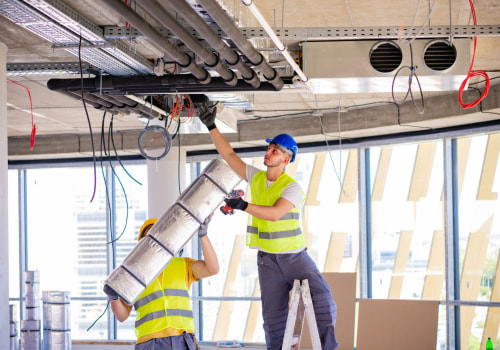
One of the most pressing issues is the shortage of skilled labor. As experienced technicians retire, there is a growing gap in qualified professionals available to meet the increasing demand for HVAC services. This labor shortage can lead to longer wait times for installations and repairs, further exacerbating cost increases.Moreover, the impact of global events, such as the COVID-19 pandemic, has reshaped consumer behavior. While there was a temporary decline in commercial HVAC demand during lockdowns, residential services saw a spike as homeowners invested in improving their indoor environments.
This shift highlights the adaptability of the HVAC industry but also underscores the need for companies to remain agile in response to changing market conditions.In summary, understanding the current state of the HVAC industry is crucial for consumers and businesses alike. The combination of robust growth prospects and emerging challenges paints a complex picture that will influence pricing and service availability in 2023 and beyond.
Factors Contributing to Rising HVAC Costs
Understanding the factors that contribute to the rising costs of HVAC services is crucial for both consumers and industry professionals. Several key elements are driving these increases, including escalating material prices, labor shortages, and evolving regulatory standards.Material Price Increases
One of the most significant contributors to rising HVAC costs is the increase in material prices. The HVAC industry relies heavily on essential materials such as steel, copper, and aluminum.
Over recent years, these materials have seen substantial price hikes due to various factors:
- Global Supply Chain Disruptions: The COVID-19 pandemic has caused widespread disruptions in supply chains, leading to shortages and increased costs for raw materials. The COVID-19 pandemic has caused widespread disruptions in supply chains, leading to shortages and increased costs for raw materials.
- Tariffs and Trade Policies: Tariffs imposed on imported metals have further inflated prices, making it more expensive for HVAC companies to source necessary components.
- Increased Demand: A surge in demand from other industries, such as construction and automotive, has also contributed to the rising costs of these materials.
Labor Shortages
The HVAC industry is currently facing a significant labor shortage, which is another critical factor driving up costs. As the workforce ages, fewer young individuals are entering the field, leading to a gap in skilled technicians. This shortage has several implications:
- Higher Wages: To attract qualified workers, HVAC companies are often forced to offer higher wages, which can lead to increased service costs for consumers.
- Longer Wait Times: With fewer technicians available, customers may experience longer wait times for installations and repairs, further complicating the situation.
- Training Costs: Companies are investing more in training programs to develop new talent, which can also contribute to overall operational costs.
Evolving Regulatory Standards
The push for energy efficiency and environmental sustainability has led to stricter regulations within the HVAC industry. Compliance with these regulations often requires investment in advanced technologies and systems that can be more expensive upfront.
While these systems may offer long-term savings through reduced energy consumption, the initial costs can be a barrier for many consumers.In summary, the rising costs associated with HVAC services in 2023 can be attributed to a combination of material price increases, labor shortages, and evolving regulatory standards. Understanding these factors is essential for consumers looking to make informed decisions regarding their heating and cooling needs.
The Impact of COVID-19 on HVAC Services
The COVID-19 pandemic has had profound effects on various sectors, and the HVAC industry is no exception. As the world grappled with the health crisis, the demand for HVAC services experienced a notable shift, influenced by changing consumer behaviors and operational challenges.Initially, the pandemic led to a significant decline in demand for commercial HVAC services. With businesses closing or operating at reduced capacity, many commercial properties postponed maintenance and installation projects.This downturn was particularly evident in sectors such as retail and hospitality, where foot traffic plummeted. Conversely, the residential sector saw an uptick in demand as homeowners invested in improving indoor air quality and comfort while spending more time at home. This duality created a unique landscape for HVAC companies, forcing them to adapt quickly to shifting priorities.
Supply Chain Disruptions
Alongside changes in service demand, the pandemic also disrupted supply chains critical to the HVAC industry. Manufacturers faced shutdowns and restrictions that delayed production schedules, leading to shortages of essential components such as compressors, coils, and ductwork.These disruptions not only increased lead times for installations but also contributed to rising costs as companies scrambled to source materials from alternative suppliers.Furthermore, transportation challenges exacerbated these issues. With global shipping routes affected by lockdowns and increased safety protocols, the cost of shipping materials surged. As a result, HVAC companies found themselves facing higher operational costs that were often passed on to consumers.
Health and Safety Considerations
The pandemic also heightened awareness around health and safety in indoor environments. Homeowners became increasingly concerned about air quality and ventilation systems' role in mitigating virus transmission.This shift prompted many HVAC companies to pivot their offerings towards solutions that enhance air filtration and purification. Products such as HEPA filters and UV light systems gained popularity as consumers sought ways to create safer living spaces.In summary, the impact of COVID-19 on the HVAC industry has been multifaceted. While it initially reduced demand for commercial services, it simultaneously spurred growth in residential sectors. Supply chain disruptions added complexity to operations, leading to increased costs and longer wait times for consumers.
As we move forward, understanding these dynamics will be crucial for both HVAC companies and consumers navigating this evolving landscape.
Rising Material Costs: A Closer Look
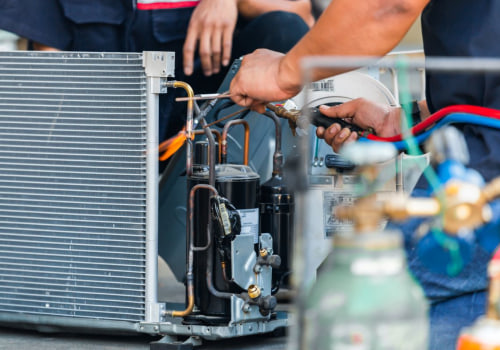
The HVAC industry is currently facing significant challenges due to rising material costs, which are impacting both HVAC companies and consumers. Understanding the specific materials that have seen price increases is crucial for grasping the overall price hikes in HVAC services.One of the primary materials driving up costs is steel. The price of steel has surged dramatically, with reports indicating an increase of approximately 50% since 2016. This rise can be attributed to several factors, including tariffs imposed on imported steel, increased demand from various sectors, and supply chain disruptions exacerbated by global events. As steel is a fundamental component in the manufacturing of HVAC systems, this increase directly affects the cost of production.Another critical material is copper , which is essential for electrical wiring and components in HVAC systems.Copper prices have also seen a notable rise, climbing around 30% over recent years. The demand for copper has surged not only in the HVAC sector but also in electronics and renewable energy industries, further straining supply. This increased cost is often passed down to consumers, making new installations and repairs more expensive.Additionally, the cost of refrigerants has been on the rise due to regulatory changes aimed at phasing out harmful substances like hydrochlorofluorocarbons (HCFCs). The transition to more environmentally friendly refrigerants often comes with higher production costs, which can lead to increased prices for both new systems and maintenance services.
As HVAC companies adapt to these regulations, they may need to invest in new technologies and training, further contributing to overall service costs.In summary, the rising costs of steel, copper, and refrigerants are significant contributors to the increasing prices of HVAC services. For consumers, this means that budgeting for heating and cooling needs will require careful consideration as these material costs continue to impact the market.
The Push for Energy Efficiency in HVAC Systems
As the HVAC industry evolves, there is a noticeable shift towards energy-efficient HVAC systems. This trend is driven by a combination of consumer demand for lower energy bills, government regulations aimed at reducing carbon footprints, and a growing awareness of environmental issues. While the initial investment in these systems can be higher than traditional options, the long-term savings and benefits often outweigh the upfront costs.Energy-efficient HVAC systems are designed to use less energy while providing the same level of comfort.These systems often incorporate advanced technologies such as variable speed motors, smart thermostats, and high-efficiency compressors. For instance, systems that utilize SEER (Seasonal Energy Efficiency Ratio) ratings can significantly reduce energy consumption compared to older models.
Cost vs. Savings
When considering an energy-efficient HVAC system, it’s essential to evaluate both the initial costs and potential savings over time. Although these systems may require a larger financial commitment upfront, they can lead to substantial savings on monthly utility bills.According to the U. S. Department of Energy, homeowners can save anywhere from 20% to 50% on their heating and cooling costs by upgrading to an energy-efficient system.Additionally, many states offer incentives such as tax credits or rebates for homeowners who invest in energy-efficient upgrades. These financial incentives can help offset the initial costs and make the transition more affordable.
Environmental Impact
The push for energy efficiency in HVAC systems also has significant environmental implications.By reducing energy consumption, these systems contribute to lower greenhouse gas emissions and a smaller carbon footprint. This is particularly important as climate change continues to be a pressing global issue.Moreover, many energy-efficient systems use refrigerants that have less impact on the ozone layer compared to traditional options. This shift not only benefits consumers but also aligns with international efforts to protect the environment.In conclusion, while the initial costs of energy-efficient HVAC systems may be higher, the long-term savings and positive environmental impact make them a worthwhile investment for homeowners. As consumers become more conscious of their energy usage and its effects on the planet, the demand for these advanced systems is likely to continue growing.
Consumer Impact: What Rising Costs Mean for Homeowners
The rising costs of HVAC services in 2023 are set to have a profound impact on homeowners, affecting everything from initial installations to ongoing maintenance.As prices increase, understanding how these changes will influence your budget is crucial for effective financial planning.One of the most immediate effects of rising HVAC costs is the increased expense associated with new installations. Homeowners looking to replace outdated systems or install new ones may find themselves facing significantly higher prices. This is largely due to the escalating costs of materials and labor, which have been exacerbated by supply chain disruptions and a shortage of skilled technicians. As a result, it’s essential for homeowners to budget accordingly and consider financing options that can help spread out these costs over time.In addition to installation costs, maintenance expenses are also expected to rise.
Regular upkeep is vital for ensuring the longevity and efficiency of HVAC systems, but as service prices climb, homeowners may be tempted to skip necessary maintenance. This can lead to more significant issues down the line, resulting in even higher repair costs. To avoid this pitfall, homeowners should prioritize routine maintenance and consider establishing a maintenance plan with a trusted HVAC company. Such plans often provide discounted rates for regular check-ups and can help catch potential problems before they escalate.Moreover, homeowners should be proactive in seeking out energy-efficient solutions.
While these systems may come with a higher upfront cost, they can lead to substantial savings on energy bills over time. Investing in energy-efficient HVAC systems not only benefits your wallet but also contributes positively to the environment.To navigate these rising costs effectively, here are some practical tips:
- Research and Compare: Take the time to research different HVAC companies and compare their pricing structures. Look for reviews and testimonials to ensure you choose a reputable provider.
- Plan for Seasonal Changes: Schedule maintenance during off-peak seasons when demand is lower, potentially saving you money.
- Consider Financing Options: Many HVAC companies offer financing plans that allow you to pay for installations or repairs over time, making it easier to manage your budget.
- Invest in Energy Efficiency: Look into high-efficiency models that qualify for rebates or tax credits, which can offset some of the initial costs.
The Importance of Regular Maintenance for HVAC Systems
Regular maintenance of HVAC systems is not just a recommendation; it is a necessity for homeowners looking to manage rising costs and extend the lifespan of their heating and cooling units.By investing time and resources into routine upkeep, consumers can significantly reduce the likelihood of unexpected breakdowns and costly repairs.
Understanding the Benefits of Regular Maintenance
- Prolongs System Life: Just like any other mechanical system, HVAC units benefit from regular check-ups. Routine maintenance can add years to the life of your system, allowing you to maximize your investment.
- Enhances Efficiency: A well-maintained HVAC system operates more efficiently, which translates to lower energy bills. Simple tasks like changing filters and cleaning coils can improve airflow and reduce energy consumption.
- Prevents Major Repairs: Regular inspections can catch minor issues before they escalate into major problems. This proactive approach can save homeowners significant amounts in repair costs.
- Improves Indoor Air Quality: Regular maintenance helps ensure that your HVAC system is not circulating dust, allergens, or mold throughout your home, contributing to a healthier living environment.
HVAC Maintenance Tips
- Change Filters Regularly: Depending on usage, filters should be changed every 1-3 months.
Clogged filters restrict airflow and force the system to work harder.
- Schedule Professional Inspections: At least once a year, have a qualified HVAC technician perform a comprehensive inspection. This can help identify potential issues early on.
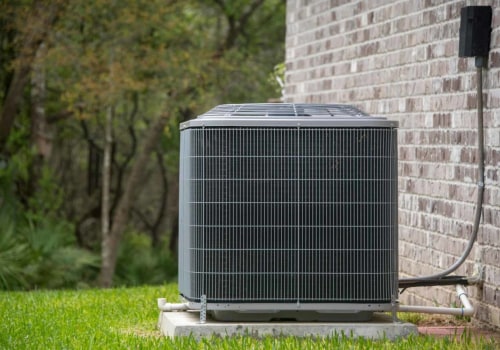
- Clean the Outdoor Unit: Ensure that the outdoor condenser unit is free from debris such as leaves and dirt. This will help maintain proper airflow and efficiency.
- Check Thermostat Settings: Ensure that your thermostat is functioning correctly and set to an appropriate temperature for optimal performance.
- Inspect Ductwork: Leaky ducts can lead to significant energy loss. Have your ductwork inspected for leaks and sealed if necessary.
In an era where costs are on the rise, being proactive about maintenance is one of the best strategies for safeguarding both your comfort and your wallet.
Choosing the Right HVAC Company: Key Considerations
As the costs associated with HVAC systems continue to rise, selecting the right HVAC company becomes increasingly crucial for homeowners. With so many options available, it can be overwhelming to determine which contractor will provide the best service at a fair price. Here are some key considerations to keep in mind when choosing an HVAC company.1.Research and Reviews
- Start by conducting thorough research on local HVAC companies. Look for online reviews and ratings on platforms like Google, Yelp, and Angie's List.
Pay attention to both positive and negative feedback to get a balanced view of each contractor's reputation.
- Ask friends, family, or neighbors for recommendations based on their experiences. Personal referrals can often lead you to trustworthy contractors.
2.Verify Credentials
- Ensure that the HVAC company is licensed and insured. A valid license indicates that the contractor meets state regulations and has the necessary training.
- Check if the company has certifications from recognized organizations, such as the North American Technician Excellence (NATE) or the Air Conditioning Contractors of America (ACCA). These certifications demonstrate a commitment to quality and ongoing education in the field.
3.Obtain Multiple Estimates
- Don’t settle for the first estimate you receive.
Contact several HVAC companies to obtain quotes for your specific needs. This will give you a better understanding of the market rates and help you identify any outliers.
- When comparing estimates, ensure that they include a detailed breakdown of costs, including labor, materials, and any additional fees. This transparency will help you avoid unexpected charges later on.
4.Evaluate Customer Service
- A reputable HVAC company should prioritize customer service. Pay attention to how promptly they respond to your inquiries and whether they take the time to address your concerns.
- A good contractor will also provide clear explanations of their services and recommendations without pressuring you into making a quick decision.
5.Look for Warranty Options
- Inquire about warranties on both parts and labor.
A reliable HVAC company should stand behind their work and offer warranties that provide peace of mind in case of future issues.
- Understanding warranty terms can also help you gauge the quality of the products being installed.
<strong>Conclusion: Navigating the Future of HVAC Costs</strong>
As we look ahead to 2023 and beyond, the HVAC industry is poised for significant transformation, driven by a confluence of factors that will inevitably affect costs. Understanding these dynamics is crucial for both consumers and industry professionals alike.The rising costs associated with HVAC services are not merely a reflection of inflation or market trends; they are indicative of deeper issues within the industry. The shortage of skilled labor, exacerbated by an aging workforce and insufficient training programs, poses a serious challenge.As demand for HVAC services continues to grow, the limited availability of qualified technicians will likely lead to increased labor costs, which will be passed on to consumers.Moreover, the ongoing impact of the COVID-19 pandemic has reshaped consumer behavior and expectations. With more individuals investing in their home environments, the demand for residential HVAC systems has surged. This shift has created a competitive landscape where HVAC companies must balance quality service with rising operational costs.In addition to labor challenges, the escalating prices of essential materials such as steel and copper are set to influence HVAC pricing structures significantly. As these materials become more expensive due to global supply chain disruptions and increased demand from various sectors, HVAC companies will need to adjust their pricing strategies accordingly.Furthermore, the push for energy-efficient systems is reshaping the market.
While these systems offer long-term savings on energy bills and contribute positively to environmental sustainability, their initial costs can be a barrier for many consumers. It is essential for homeowners to weigh the benefits of investing in energy-efficient technology against their immediate financial constraints.To navigate this evolving landscape effectively, consumers should prioritize regular maintenance of their existing HVAC systems. Proactive care can extend the lifespan of equipment and reduce the likelihood of costly repairs. Additionally, selecting a reputable HVAC company that emphasizes transparency in pricing and quality service can help mitigate some of the financial burdens associated with rising costs.In conclusion, while the future of HVAC costs may seem daunting, informed decision-making and strategic planning can empower consumers to adapt to these changes.
By understanding the factors at play and taking proactive steps, homeowners can ensure that they are well-prepared for the challenges ahead in maintaining comfortable and efficient living environments.