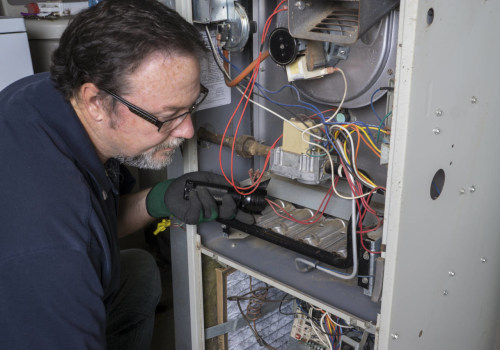
The heat exchangerheat exchanger is a vital component of your furnace, playing a crucial role in the heating process that keeps your home warm during the chilly months. Essentially, it serves as the bridge between the combustion process and the air that circulates throughout your living space. When your furnace burns fuel, it generates heat, which is then transferred through the heat exchanger to the air that is blown into your home. This process not only ensures that your home reaches a comfortable temperature but also does so efficiently, maximizing energy use and minimizing waste.Understanding the importance of the heat exchanger goes beyond just its function; it is integral to the overall performance and safety of your heating system.
A well-functioning heat exchanger allows for optimal heat transfer, which means your furnace can operate at peak efficiency. Conversely, if the heat exchanger is compromised—due to cracks or corrosion—it can lead to significant issues, including reduced heating efficiency and potential safety hazards such as carbon monoxide leaks. This makes it imperative for homeowners to be aware of their furnace's condition and to consult with a qualified HVAC company if they suspect any problems.Moreover, recognizing the signs of a failing heat exchanger can save you from costly repairs down the line. Symptoms such as uneven heating, unusual noises, or visible damage should prompt immediate attention from an HVAC professional.
By understanding how this critical component works and its importance in maintaining a safe and efficient heating system, homeowners can make informed decisions about repairs or replacements when necessary.
Signs That Your Heat Exchanger Needs Replacement
Recognizing the signs that your heat exchanger may be failing is crucial for maintaining a safe and efficient heating system. Ignoring these symptoms can lead to more significant issues, including complete furnace failure or even hazardous situations. Here are some key indicators that suggest it might be time to consult an HVAC company for a professional inspection.- Insufficient Heating: One of the most common signs of a failing heat exchanger is inadequate heating. If you notice that certain rooms in your home are colder than others or that your furnace is struggling to maintain the desired temperature, this could indicate a problem with the heat exchanger.
A compromised heat exchanger may not effectively transfer heat, leading to uneven heating throughout your space.
- Unusual Noises: Pay attention to any strange sounds coming from your furnace. If you hear rattling, banging, or hissing noises, it could be a sign of internal damage or wear in the heat exchanger. These sounds often indicate that components are not functioning correctly and may require immediate attention from an HVAC company.
- Gas Odors: A strong smell of gas is a serious warning sign. If you detect a gas odor near your furnace, it could mean that the heat exchanger is cracked or leaking.
This situation poses a significant safety risk and requires immediate action. Turn off your furnace and contact an HVAC professional right away.
- Yellow or Flickering Flame: The flame in your furnace should be blue and steady. If you notice a yellow or flickering flame, this could indicate incomplete combustion, which may be caused by a malfunctioning heat exchanger. This issue not only affects efficiency but can also lead to dangerous carbon monoxide buildup.
- Increased Energy Bills: If you find that your energy bills have suddenly increased without any changes in usage, it might be due to an inefficient heat exchanger.
When this component fails, your furnace has to work harder to produce the same amount of heat, leading to higher energy costs.
Evaluating the Cost of Replacing a Heat Exchanger
When considering the replacement of a heat exchanger, understanding the cost implications is crucial for homeowners. The average cost of replacing a heat exchanger can range significantly, typically falling between $500 and $1,500.However, this price can vary based on several factors that homeowners should be aware of.
Factors Influencing Heat Exchanger Replacement Costs
- Furnace Age: The age of your furnace plays a significant role in determining whether replacing the heat exchanger is a wise investment. If your furnace is less than 10 years old, investing in a new heat exchanger may be justified. Conversely, if your furnace is older than 15 years, it may be more cost-effective to consider a full replacement.
- Type of Furnace: Different types of furnaces (gas, electric, oil) have varying complexities and costs associated with their heat exchangers. Gas furnaces often have higher replacement costs due to the intricacies involved in their operation.
- Labor Costs: The cost of labor can vary widely depending on your location and the specific HVAC company you choose.
On average, labor costs can account for 30% to 50% of the total replacement cost. It's advisable to obtain multiple quotes from reputable HVAC companies to ensure you receive a fair price.
- Additional Repairs: If your heat exchanger is failing, it may indicate other underlying issues within your furnace. A thorough inspection by an HVAC technician may reveal additional repairs needed, which can increase the overall cost.
Is It Worth the Investment?
The decision to replace a heat exchanger should not be taken lightly. Homeowners must weigh the potential benefits against the costs involved.
If your furnace is relatively new and in good condition aside from the heat exchanger, replacing it can extend the life of your heating system and improve efficiency. However, if your furnace is nearing the end of its lifespan or has multiple issues, investing in a new unit may provide better long-term value.Ultimately, consulting with a qualified HVAC professional can help you make an informed decision based on your specific situation and financial considerations. They can provide insights into whether replacing the heat exchanger is a sound investment or if it's time to explore other options for heating your home.
When Is It Worth Replacing Your Heat Exchanger?
Determining whether to replace your furnace's heat exchanger is a critical decision that can significantly impact your home's heating efficiency and overall comfort. The timing of this replacement often hinges on the age of your furnace and the specific issues you are experiencing.Assessing Your Furnace's Age
The first factor to consider is the age of your furnace.
Most furnaces have a lifespan of approximately 15 to 20 years. If your furnace is less than 10 years old, replacing the heat exchanger can be a wise investment. A new heat exchanger can restore your furnace's efficiency, ensuring it operates effectively for many more years.However, if your furnace is older than 10 years, you should weigh the cost of replacing the heat exchanger against the potential need for other repairs in the near future. As furnaces age, various components may begin to fail, leading to increased maintenance costs.
In such cases, investing in a new furnace might be more economical in the long run.
Identifying Signs of Heat Exchanger Failure
Before making a decision, it's essential to recognize the signs that indicate your heat exchanger may need replacement. Common symptoms include:
- Insufficient Heating: If certain areas of your home remain cold despite the furnace running, it could signal a malfunctioning heat exchanger.
- Unusual Noises: Strange sounds such as banging or rattling can indicate internal damage.
- Flame Color Changes: A yellow or flickering flame instead of a steady blue flame may suggest incomplete combustion due to a compromised heat exchanger.
- Gas Odors: A strong smell of gas is a serious concern and requires immediate attention from an HVAC professional.
The Role of an HVAC Company
Consulting with a qualified HVAC company is crucial when considering heat exchanger replacement. Experienced technicians can conduct thorough inspections to assess the condition of your furnace and provide tailored advice based on its age and performance. They can also help you evaluate whether repairing or replacing the heat exchanger aligns with your long-term heating needs.In summary, replacing your heat exchanger can be worthwhile if your furnace is relatively new and showing signs of failure.
However, for older units, it’s essential to consider the overall condition of the furnace and consult with an HVAC professional to make an informed decision that best suits your home’s heating requirements.
The Risks of Ignoring Heat Exchanger Issues
Ignoring issues with your furnace's heat exchanger can lead to a range of serious risks, both in terms of safety and efficiency. One of the most alarming dangers is the potential for carbon monoxide leaks. The heat exchanger is designed to contain combustion gases, including carbon monoxide, and safely vent them outside your home. If the heat exchanger becomes cracked or damaged, these harmful gases can seep into your living space, posing a significant health risk to you and your family.Carbon monoxide is a colorless, odorless gas that can cause symptoms such as headaches, dizziness, confusion, and even loss of consciousness in high concentrations.In severe cases, it can be fatal. This makes it crucial to address any signs of heat exchanger problems immediately. Regular maintenance checks by a qualified HVAC company can help identify potential issues before they escalate into dangerous situations.In addition to safety hazards, neglecting heat exchanger problems can also lead to decreased efficiency in your heating system. A compromised heat exchanger cannot transfer heat effectively, which means your furnace has to work harder to maintain the desired temperature in your home.
This increased workload not only leads to higher energy bills but also accelerates wear and tear on other components of the furnace.Over time, this can result in more frequent breakdowns and costly repairs. In fact, if you ignore the initial signs of a failing heat exchanger, you may find yourself facing a complete furnace replacement sooner than expected. Therefore, it’s essential to stay vigilant for any warning signs such as:
- Unusual noises : Clanging or banging sounds may indicate internal damage.
- Inconsistent heating : Cold spots in your home could signal a malfunctioning heat exchanger.
- Yellow or flickering flames : This could indicate improper combustion due to a faulty heat exchanger.
- Unpleasant odors : A strong smell of gas or burning could be a sign of serious issues.
Ignoring these issues not only jeopardizes your safety but also leads to unnecessary expenses down the line. Taking proactive measures ensures that your heating system operates safely and efficiently for years to come.
Choosing the Right HVAC Company for Your Needs
When it comes to maintaining or repairing your furnace, selecting the right HVAC company is crucial. A reputable HVAC service can make all the difference in ensuring your heating system operates efficiently and safely. Here are some essential tips to help you choose the best HVAC company for your needs.Check for Certifications and Licenses
Before hiring an HVAC company, verify that they hold the necessary certifications and licenses.A qualified technician should be certified by recognized organizations such as the North American Technician Excellence (NATE) or the Air Conditioning Contractors of America (ACCA). These certifications indicate that the technicians have undergone rigorous training and adhere to industry standards.
Read Customer Reviews
Customer reviews can provide valuable insights into the quality of service offered by an HVAC company. Look for reviews on platforms like Google, Yelp, or Angie's List. Pay attention to comments regarding:- Response time: How quickly did the company respond to service requests?
- Professionalism: Were the technicians courteous and knowledgeable?
- Quality of work: Did customers feel satisfied with the repairs or installations?
Ask About Service Guarantees
A trustworthy HVAC company should offer service guarantees or warranties on their work.This not only shows confidence in their services but also provides you with peace of mind. Inquire about:
- Labor warranties: Does the company guarantee their labor for a specific period?
- Parts warranties: Are there warranties on the parts used during repairs or installations?
Evaluate Their Experience
The experience level of an HVAC company can significantly impact the quality of service you receive. Companies that have been in business for several years are often more reliable, as they have established a reputation in the community. Additionally, experienced technicians are more likely to diagnose problems accurately and provide effective solutions.Get Multiple Quotes
Don’t settle for the first quote you receive.Contact several HVAC companies to compare prices and services. This will give you a better understanding of what is reasonable and help you avoid overpaying for repairs or installations.By following these guidelines, you can find a reliable HVAC company that meets your needs and ensures your furnace operates efficiently for years to come.
Frequently Asked Questions About Heat Exchangers and Furnaces
When it comes to understanding heat exchangers and furnaces, homeowners often have a multitude of questions. Here are some of the most frequently asked questions that can help clarify your concerns and guide your decisions regarding your heating system.What is a heat exchanger and why is it important?
A heat exchanger is a critical component of your furnace that facilitates the transfer of heat from the combustion process to the air that warms your home. It ensures that the air circulating through your living spaces is heated efficiently.If the heat exchanger is compromised, it can lead to reduced heating efficiency and even safety hazards, such as carbon monoxide leaks.
How can I tell if my heat exchanger is failing?
There are several signs that may indicate a failing heat exchanger:- Inadequate Heating: If certain rooms in your home are colder than others or if your furnace runs longer without adequately heating your space, this could signal a problem.
- Unusual Noises: Sounds like banging or popping may suggest that the heat exchanger is damaged.
- Flame Color: A yellow or flickering flame instead of a steady blue flame can indicate incomplete combustion, which may be linked to a faulty heat exchanger.
- Odors: A strong smell of gas or burning could indicate a serious issue requiring immediate attention from an HVAC company.
Is it worth repairing or replacing my furnace's heat exchanger?
The decision to repair or replace a heat exchanger largely depends on the age and condition of your furnace. If your furnace is relatively new (less than 10 years old) and the heat exchanger is the only issue, replacing it can be a cost-effective solution. However, if your furnace is older and showing signs of wear in other areas, investing in a new unit may be more prudent.How often should I have my furnace inspected?
It’s recommended to have your furnace inspected at least once a year, ideally before the heating season begins. Regular maintenance by an experienced HVAC company can help identify potential issues early, ensuring that your system operates efficiently and safely.What should I look for when choosing an HVAC company?
When selecting an HVAC company for repairs or maintenance, consider the following:- Licensing and Insurance: Ensure they are properly licensed and insured to protect yourself from liability.
- Experience: Look for companies with a solid track record and positive customer reviews.
- Service Offerings: Choose a company that provides comprehensive services, including emergency repairs and routine maintenance.
Conclusion: Making Informed Decisions About Your Furnace's Heat Exchanger
In summary, understanding the role of your furnace's heat exchanger is crucial for making informed decisions about its maintenance and potential replacement.As we have discussed, the heat exchanger is a vital component that directly impacts your home's heating efficiency and safety. When considering whether to replace this part, several factors come into play.First and foremost, assess the age of your furnace. If it is less than ten years old, investing in a new heat exchanger can be a wise choice, as it can prolong the life of your system and enhance its performance. However, if your furnace is older than ten years, you may want to weigh the cost of replacement against the likelihood of other components failing soon.Additionally, consider the symptoms that indicate a failing heat exchanger.
Signs such as insufficient heating, unusual noises, or gas odors should prompt immediate action. Ignoring these warning signs can lead to more significant issues down the line, including safety hazards like carbon monoxide leaks.Moreover, consulting with a reputable HVAC company can provide you with valuable insights tailored to your specific situation. A professional technician can conduct a thorough inspection and help you determine whether a heat exchanger replacement is necessary or if investing in a new furnace would be more beneficial in the long run.Ultimately, making an informed decision about your furnace's heat exchanger involves careful consideration of its age, condition, and the potential costs associated with repairs versus replacement. By taking these factors into account and seeking professional advice when needed, you can ensure that your home remains warm and safe throughout the winter months.