In today's world, where comfort and convenience are paramount, the significance of HVAC systems cannot be overstated. These systems, which encompass heating, ventilation, and air conditioning, play a crucial role in regulating indoor environments, ensuring that homes and businesses remain comfortable regardless of external weather conditions. From the sweltering heat of summer to the biting cold of winter, an efficient HVAC system is essential for maintaining a pleasant atmosphere. Understanding the importance of these systems is the first step in appreciating their complexity and the costs associated with their maintenance and repair. At the heart of every effective HVAC system lies a network of components that work in harmony to provide optimal indoor air quality and temperature control.
This intricate interplay between various elements—such as compressors, evaporator coils, and thermostats—highlights the need for professional expertise when it comes to installation and maintenance. Engaging a reputable HVAC company ensures that your system operates efficiently, prolonging its lifespan while minimizing energy costs. Moreover, regular inspections by qualified technicians can help identify potential issues before they escalate into costly repairs. As we delve deeper into the world of HVAC systems, it becomes evident that understanding their basic functions is vital for homeowners and business operators alike. Familiarity with how air conditioning works, including the principles of heat exchange and airflow management, empowers individuals to make informed decisions regarding their HVAC needs.
Whether you are considering a new installation or seeking to optimize an existing system, knowledge is your best ally in navigating the complexities of HVAC technology.
The Core Components of an HVAC System
Understanding the core components of your HVAC system is crucial for homeowners who want to maintain efficiency and avoid costly repairs. Each part plays a significant role in ensuring that your home remains comfortable throughout the year. Here’s a closer look at the essential components that make up an HVAC system.1.The Compressor
The compressor is often referred to as the heart of the HVAC system. It is responsible for compressing the refrigerant and circulating it through the system.When the refrigerant is compressed, it transforms into a high-pressure gas, which then moves to the condenser. Given its critical function, a malfunctioning compressor can lead to significant repair costs, often prompting HVAC companies to recommend a complete replacement rather than a simple repair.
2.The Evaporator Coil
The evaporator coil works in tandem with the compressor to cool your home. As warm air from your living space passes over the coil, the refrigerant inside absorbs heat and evaporates, turning into gas. This process cools the air before it is circulated back into your home.If the evaporator coil develops leaks or becomes dirty, it can severely impact your system's efficiency and lead to higher energy bills.
3.The Condenser
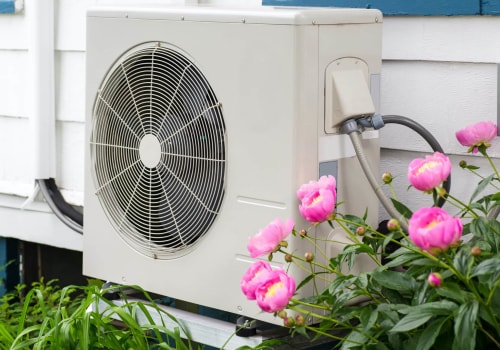
The condenser is located outside your home and plays a vital role in releasing heat absorbed by the refrigerant. Once the refrigerant reaches the condenser, it releases its heat and transforms back into a liquid state before returning to the evaporator coil. Proper placement and maintenance of the condenser are essential; if it’s obstructed or improperly installed, it can lead to inefficiencies and increased wear on your system.4.Additional Components
- Thermostat: This device regulates your HVAC system's temperature settings, allowing you to maintain comfort levels efficiently.
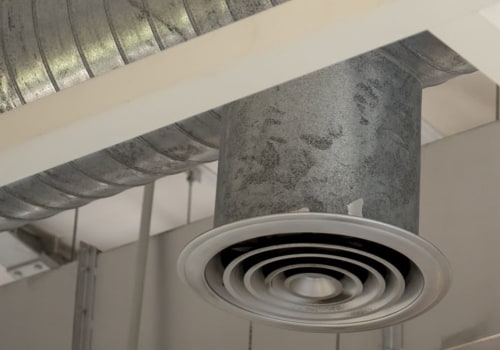
- Ductwork: Ducts distribute conditioned air throughout your home. Leaky or poorly insulated ducts can lead to significant energy loss.
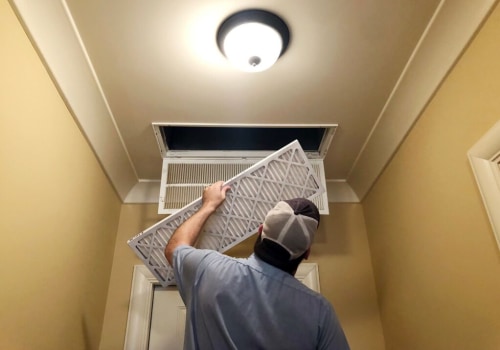
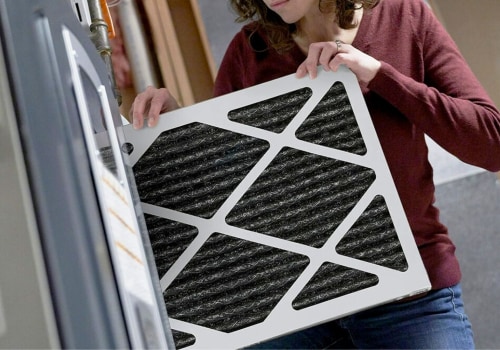
- Air Filters: These filters trap dust and allergens, ensuring that only clean air circulates in your home.
Regular replacement is necessary for optimal performance.
The Compressor: The Heart of Your HVAC System
The compressor is often referred to as the heart of your HVAC system, and for good reason. This essential component plays a pivotal role in the cooling process, making it crucial for maintaining a comfortable indoor environment. Understanding the function and importance of the compressor can help homeowners appreciate why it is one of the most expensive parts to repair or replace.At its core, the compressor's primary function is to circulate refrigerant throughout the HVAC system.It compresses low-pressure refrigerant gas into a high-pressure gas, which then moves to the condenser coils outside your home. Here, the refrigerant releases heat and transforms back into a liquid state before returning to the evaporator coil inside. This cycle is what cools the air that circulates through your home.Given its critical role, any malfunction of the compressor can lead to significant issues. A failing compressor can result in inadequate cooling, increased energy bills, and even complete system failure.
This is why many HVAC companies recommend replacing a faulty compressor rather than attempting repairs, especially if it is an older model.When it comes to costs, repairing or replacing a compressor can be quite expensive. On average, homeowners can expect to pay anywhere from $1,500 to $3,000 for a new compressor installation, depending on the make and model of their HVAC system. Factors such as labor costs and additional repairs needed can also influence the final price. Regular maintenance can help mitigate these costs by identifying potential issues before they escalate.In summary, understanding the function and importance of your HVAC compressor is vital for any homeowner.
Not only does it ensure efficient cooling, but it also helps you avoid costly repairs down the line. By partnering with a reputable HVAC company, you can ensure that your system remains in optimal condition and that any necessary repairs are handled promptly and professionally.
Understanding Repair Costs: What to Expect
Understanding the costs associated with HVAC repairs is essential for homeowners. Knowing what to expect can help you budget effectively and make informed decisions when issues arise. Below, we break down typical repair costs for various components of your HVAC system.Average HVAC Repair Prices
The average cost of HVAC repairs can vary significantly based on the type of system you have and the specific issue at hand.Generally, homeowners can expect to pay anywhere from $150 to $1,500 for repairs. Here’s a closer look at some common repairs and their associated costs:
- Compressor Replacement: This is one of the most expensive repairs, often ranging from $1,200 to $2,500. Given that the compressor is crucial for cooling, it’s vital to address any issues promptly.
- Evaporator Coil Repair: If your evaporator coil is leaking or malfunctioning, repairs can cost between $600 and $1,200. In some cases, replacement may be necessary, which can increase costs significantly.
- Thermostat Replacement: A faulty thermostat can lead to inefficient heating or cooling.
Replacing it typically costs around $100 to $300 , depending on the model.
- Fan Motor Replacement: If your fan motor fails, expect to pay between $300 and $700 for a replacement. This component is essential for air circulation within your system.
- Ductwork Repairs: Issues with ductwork can lead to significant energy loss. Repairing ducts usually costs between $300 and $1,000 , depending on the extent of the damage.
Cost Breakdown of HVAC Repairs
When considering HVAC repair costs, it’s important to understand that labor and parts contribute significantly to the total expense. Here’s a breakdown:- Labor Costs: Labor typically accounts for about 50% to 70% of the total repair cost.
HVAC technicians charge hourly rates that can range from $75 to $150 , depending on their experience and your location.
- Parts Costs: The remaining portion of your bill will be for parts. Prices vary widely based on the component being replaced or repaired. Always ask for a detailed estimate that includes both labor and parts.
The Role of Regular Maintenance in Cost Management
Regular maintenance of your HVAC system is not just a good practice; it is essential for ensuring the longevity and efficiency of your heating and cooling equipment.By investing in routine check-ups, homeowners can significantly reduce the risk of unexpected breakdowns and costly repairs.
Importance of HVAC Maintenance
HVAC systems are complex machines that require regular attention to function optimally. Just like any other mechanical system, wear and tear can lead to inefficiencies over time. Regular maintenance helps identify potential issues before they escalate into major problems. For instance, a simple cleaning of the air filters can prevent dust buildup, which can strain the system and lead to higher energy bills.
Benefits of Regular Maintenance
- Cost Savings: Routine maintenance can save homeowners money in the long run by preventing expensive repairs and extending the lifespan of the system.
- Improved Efficiency: A well-maintained HVAC system operates more efficiently, which translates to lower energy costs.
- Enhanced Comfort: Regular check-ups ensure that your home remains comfortable year-round by maintaining consistent temperatures.
- Better Air Quality: Maintenance includes cleaning components that affect air quality, such as filters and ducts, leading to a healthier living environment.
Maintenance Tips for HVAC Systems
- Change Filters Regularly: Depending on usage, filters should be changed every 1-3 months to maintain airflow and efficiency.
- Schedule Professional Inspections: At least once a year, have a qualified HVAC company perform a thorough inspection and tune-up of your system.
- Keep Outdoor Units Clear: Ensure that outdoor condensers are free from debris, plants, or any obstructions that could hinder airflow.
- Check Thermostat Settings: Regularly verify that your thermostat is functioning correctly to avoid unnecessary energy consumption.
By working with a trusted HVAC company, homeowners can ensure their systems remain efficient, reliable, and cost-effective for years to come.
Choosing the Right HVAC Company for Your Needs
When it comes to maintaining the comfort of your home, selecting the right HVAC company is crucial. With so many options available, it can be overwhelming to determine which contractor will best meet your needs. Here are some essential tips to help you make an informed decision.1.Research and Reviews
- Start by researching local HVAC companies online. Look for customer reviews on platforms like Google, Yelp, and Angie's List.
Pay attention to both positive and negative feedback to get a balanced view.
- Ask friends, family, or neighbors for recommendations. Personal experiences can provide valuable insights into the reliability and quality of service offered by different contractors.
2.Verify Credentials
- Ensure that the HVAC company is licensed and insured. A valid license indicates that the contractor has met state requirements and possesses the necessary skills.
- Check if they have certifications from recognized organizations such as NATE (North American Technician Excellence) or ACCA (Air Conditioning Contractors of America). These certifications demonstrate a commitment to industry standards and ongoing education.
3.Get Multiple Estimates
- Don’t settle for the first estimate you receive.
Contact several HVAC companies to obtain quotes for your specific needs. This will give you a better understanding of the market rates and help you identify any outliers.
- Be wary of estimates that seem too low; they may indicate subpar service or hidden costs down the line.
4.Inquire About Experience
- Ask potential contractors about their experience with your specific type of HVAC system. Companies that have been in business for several years are often more reliable, as they have a proven track record.
- Inquire about their experience with installations versus repairs, as some companies may specialize in one area over the other.
5.Evaluate Customer Service
- A reputable HVAC company should prioritize customer service. Pay attention to how they communicate during your initial interactions—are they responsive, courteous, and willing to answer your questions?
- A good contractor will take the time to explain their services and provide clear information about what to expect during installation or repair.
Remember, investing time in selecting the right contractor can save you money and stress in the long run.
Common DIY Tasks vs. Professional Services
When it comes to maintaining your HVAC system, understanding which tasks you can handle yourself and which require the expertise of a professional HVAC company is crucial for both safety and efficiency. Here’s a breakdown of common DIY tasks versus those best left to the pros.Common DIY HVAC Tasks
- Changing Air Filters: One of the simplest yet most effective maintenance tasks is regularly changing your air filters. This can usually be done every 1-3 months, depending on usage and filter type.
A clean filter improves airflow and efficiency, reducing strain on your system.
- Cleaning Vents and Registers: Dust and debris can accumulate in your vents, obstructing airflow. Regularly vacuuming or wiping down vents can help maintain optimal performance.
- Thermostat Adjustments: Installing a programmable or smart thermostat can enhance energy efficiency. Homeowners can easily set schedules for heating and cooling, optimizing energy use without professional help.
- Inspecting Insulation: Checking insulation around ducts and in attics can prevent energy loss. Homeowners can add insulation where needed to improve system efficiency.
When to Call an HVAC Professional
While some tasks are manageable for homeowners, others require the specialized knowledge and tools that only a qualified HVAC technician possesses.Here are situations when you should definitely call in the experts:
- Compressor Issues: If your air conditioning unit is not cooling effectively, the compressor may be malfunctioning. Given its complexity and cost, this is not a DIY fix. If your air conditioning unit is not cooling effectively, the compressor may be malfunctioning. Given its complexity and cost, this is not a DIY fix.
- Refrigerant Leaks: Handling refrigerants requires specific training and certification due to environmental regulations. If you suspect a leak, contact an HVAC company immediately.
- Electrical Problems: Issues with wiring or electrical components can pose serious safety risks. If you notice flickering lights or tripped breakers related to your HVAC system, it’s time to call a professional.
- Annual Maintenance Checks: Scheduling regular maintenance with an HVAC company ensures that your system runs efficiently and helps catch potential issues before they become costly repairs.
Not only does this ensure the longevity of your system, but it also protects your home and family from potential hazards associated with improper handling of HVAC components.
Conclusion: Investing in Your HVAC System for Long-Term Savings
In conclusion, understanding the costs associated with your HVAC system is crucial for making informed decisions that can lead to significant long-term savings. Investing in a reliable HVAC company for both installation and maintenance can greatly enhance the efficiency and lifespan of your system. As we have discussed, the compressor stands out as the most expensive component, but it is just one part of a complex system that requires regular attention.By prioritizing maintenance, homeowners can avoid unexpected breakdowns and costly repairs. Regular check-ups not only help in identifying potential issues before they escalate but also ensure that your system operates at peak efficiency.This can translate into lower energy bills and a more comfortable living environment.Moreover, many HVAC companies offer maintenance plans that provide peace of mind and financial predictability. These plans often include annual inspections, cleaning, and priority service, which can save you money in the long run. It’s essential to view these expenses not as costs but as investments in your home’s comfort and efficiency.Additionally, when considering the overall costs of an HVAC system, it’s important to factor in energy efficiency ratings. Investing in a high-efficiency unit may have a higher upfront cost but can lead to substantial savings on energy bills over time.
Furthermore, many modern systems come with advanced technology that enhances performance and reduces environmental impact.In summary, while the initial investment in an HVAC system may seem daunting, the long-term benefits far outweigh the costs. By choosing a reputable HVAC company, committing to regular maintenance, and considering energy-efficient options, you are not just ensuring comfort for today but also safeguarding your financial future. Make informed choices now to enjoy a more efficient and cost-effective HVAC system for years to come.