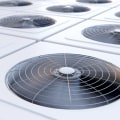
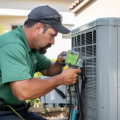
Understanding your HVAC system is crucial for maintaining a comfortable and healthy living environment. HVAC stands for Heating, Ventilation, and Air Conditioning, and it encompasses the technology used to regulate indoor temperatures, humidity levels, and air quality. These systems are designed to provide thermal comfort and acceptable indoor air quality, making them essential for any home. Whether it’s the sweltering heat of summer or the biting cold of winter, a well-functioning HVAC system ensures that your home remains a sanctuary.The way an HVAC system operates is a blend of intricate components working in harmony.
The heating element warms the air during colder months, while the cooling unit cools it down when temperatures rise. Ventilation plays a vital role in circulating fresh air throughout your home, removing stale air and pollutants. This balance not only enhances comfort but also contributes to better health by ensuring that the air you breathe is clean and free from allergens. Understanding these functions can help you appreciate the importance of regular maintenance and timely replacements.Moreover, the significance of an efficient HVAC system extends beyond mere comfort; it can also impact your energy bills and environmental footprint.
An outdated or malfunctioning unit can lead to increased energy consumption, resulting in higher utility costs and unnecessary strain on natural resources. By investing in a modern HVAC system, you not only improve your home’s comfort but also contribute to energy conservation efforts. As we delve deeper into the signs that indicate it may be time for a replacement, keep in mind how integral your HVAC system is to your daily life.
Signs That Indicate It's Time for a Replacement
Deciding whether to replace your HVAC system can be daunting, but recognizing the signs that indicate a replacement is necessary can simplify the process. Here are some key indicators that it may be time to consult with an HVAC company for a replacement:- Rising Energy Bills: One of the most telling signs of an aging HVAC system is a noticeable increase in your energy bills.
As systems age, they become less efficient, leading to higher operational costs. If you find that your monthly utility expenses are climbing without any changes in usage, it may be time to consider a new unit.
- Frequent Repairs: If you find yourself calling for repairs more often than usual, it could indicate that your HVAC system is nearing the end of its lifespan. While occasional repairs are normal, frequent breakdowns can add up quickly and may not be cost-effective in the long run.
- Inconsistent Temperatures: Are certain rooms in your home significantly warmer or cooler than others? An HVAC system that struggles to maintain consistent temperatures throughout your home may be failing. This inconsistency can lead to discomfort and indicates that your system is not functioning as it should.
- Age of the System: The average lifespan of an HVAC system is typically between 15 to 20 years.
If your unit is approaching or has surpassed this age, it’s wise to start considering a replacement. Newer models are often more energy-efficient and come equipped with advanced technology that can enhance comfort and reduce energy costs.
- Excessive Noise: Unusual sounds such as banging, clanking, or hissing can signal serious issues within your HVAC system. While some noises may be resolved with minor repairs, persistent loud sounds often indicate that the unit is struggling and may need replacement.
- Poor Air Quality: If you notice an increase in dust, allergens, or humidity levels in your home, it could be a sign that your HVAC system is no longer effectively filtering and circulating air. A new system can improve indoor air quality significantly.
They can provide a thorough inspection and help you determine whether a replacement is the best course of action for your comfort and budget.
The Cost of Repairs vs. Replacement
When considering whether to repair or replace your HVAC system, one of the most significant factors to evaluate is the cost of repairs compared to the cost of replacing HVAC units. Understanding these financial implications can help you make a more informed decision that aligns with your budget and long-term comfort needs.As your HVAC system ages, it may require frequent repairs. While a single repair might seem manageable, the cumulative costs can quickly add up.For instance, if you find yourself spending hundreds of dollars on repairs every year, it may be time to consider a replacement. A good rule of thumb is the 50% rule: if the cost of repairs exceeds 50% of the price of a new unit, replacement is often the more economical choice.Additionally, consider the age of your HVAC system. Most systems have a lifespan of about 10 to 15 years. If your unit is approaching or has surpassed this age, even minor repairs can signal that it’s nearing the end of its operational life.
Investing in a new system not only eliminates ongoing repair costs but also provides you with a more energy-efficient model that can significantly reduce your monthly utility bills.Another aspect to consider is the potential for improved technology in newer HVAC systems. Modern units are designed with advanced features that enhance efficiency and performance. This means that while the upfront cost of a new system may be higher, the long-term savings on energy bills and reduced maintenance costs can offset this initial investment.In summary, when weighing repair vs replace HVAC , it’s crucial to assess both immediate and future costs. Frequent repairs can drain your finances and lead to discomfort in your home.
By investing in a new HVAC system, you not only ensure reliable heating and cooling but also position yourself for greater savings in the long run.
Energy Efficiency and Environmental Impact
In recent years, the HVAC industry has made significant strides in developing energy-efficient HVAC systems that not only enhance comfort but also contribute to a healthier planet. These advancements are crucial as homeowners increasingly seek ways to reduce their energy consumption and lower their carbon footprint.One of the most notable improvements in modern HVAC technology is the introduction of high-efficiency units. These systems are designed to use less energy while providing the same level of heating and cooling as older models. For instance, many new air conditioning units come with a Seasonal Energy Efficiency Ratio (SEER) rating of 16 or higher, compared to older systems that may have a SEER rating of 10 or lower.This increase in efficiency translates directly into lower utility bills for homeowners.Moreover, newer HVAC systems often incorporate advanced features such as variable-speed compressors and smart thermostats. These technologies allow for more precise temperature control and can adjust the system's output based on real-time conditions, further enhancing energy savings. By optimizing performance, these systems not only reduce energy consumption but also extend the lifespan of the unit.In addition to saving money, upgrading to an energy-efficient HVAC system has significant environmental benefits. Traditional HVAC units often rely on refrigerants that can be harmful to the ozone layer.
However, many modern systems utilize eco-friendly refrigerants that have a much lower global warming potential. This shift is essential in combating climate change and promoting sustainability.Furthermore, by reducing energy consumption, energy-efficient HVAC systems help decrease the demand for fossil fuels used in electricity generation. This reduction leads to fewer greenhouse gas emissions, contributing to cleaner air and a healthier environment.For homeowners looking to make an eco-conscious choice, there are also various eco-friendly HVAC options available. These include geothermal heat pumps and solar-powered HVAC systems, which harness renewable energy sources to provide heating and cooling.
Investing in such technologies not only supports environmental sustainability but can also qualify homeowners for tax credits and rebates.In conclusion, replacing your old HVAC system with a modern, energy-efficient model is a wise decision that benefits both your wallet and the environment. As you consider your options, consult with a reputable HVAC company to explore the best solutions tailored to your home’s needs.
Choosing the Right HVAC Company for Installation
When it comes to installing a new HVAC system, selecting the right HVAC company is crucial for ensuring a successful and efficient installation. With so many options available, it can be overwhelming to choose the best contractor for your needs. Here are some essential tips to guide you in making an informed decision.1.Research and Recommendations
- Start by asking friends, family, and neighbors for recommendations.
Personal experiences can provide valuable insights into the quality of service offered by local contractors.
- Utilize online resources such as review sites and social media platforms to gather feedback on various HVAC companies. Look for patterns in reviews, both positive and negative.
2.Verify Credentials
- Ensure that the HVAC company is licensed and insured. A valid license indicates that the contractor meets state regulations and has the necessary training.
- Check if the company has certifications from recognized organizations, such as the North American Technician Excellence (NATE) or the Air Conditioning Contractors of America (ACCA). These certifications demonstrate a commitment to industry standards.
3.Request Estimates
- Contact multiple HVAC companies to request detailed estimates.
This will help you compare pricing, services offered, and installation timelines.
- Be wary of quotes that seem unusually low; they may indicate subpar materials or workmanship.
4.Ask Questions
- Inquire about the types of HVAC systems they recommend and why. A knowledgeable contractor should be able to explain the benefits of different models and brands.
- Ask about warranties on both equipment and labor. A reputable company should stand behind their work with solid warranty options.
- Discuss maintenance plans post-installation. Regular maintenance is key to prolonging the life of your HVAC system.
5.Evaluate Customer Service
- Pay attention to how responsive and professional the company is during your initial interactions.
Good customer service is often indicative of how they will handle any issues that arise after installation.
- A reliable HVAC company should be willing to address your concerns and answer all your questions thoroughly.
Financing Options for Your New HVAC System
Replacing your HVAC system can be a significant financial commitment, but there are various financing options available to help ease the burden. Understanding these options can empower you to make a more informed decision and ensure that your home remains comfortable without breaking the bank.1.HVAC Financing Loans
Many homeowners opt for financing loans specifically designed for HVAC replacements. These loans often come with competitive interest rates and flexible repayment terms. You can find these loans through:
- Local Banks and Credit Unions: Many local financial institutions offer personal loans or home improvement loans tailored for HVAC systems.
- HVAC Companies: Some HVAC companies partner with financing institutions to provide in-house financing options, making it easier to manage payments directly through your service provider.
- Online Lenders: Numerous online platforms specialize in home improvement loans, allowing you to compare rates and terms quickly.
2.Manufacturer Rebates and Incentives
Many HVAC manufacturers offer rebates for purchasing energy-efficient systems.
These rebates can significantly reduce the overall cost of your new unit. Be sure to check:
- The manufacturer's website for current promotions.
- Your HVAC contractor, who may have access to exclusive deals.
- Your local utility company, as they often provide incentives for energy-efficient upgrades.
3.Federal and State Tax Credits
In some cases, you may qualify for federal or state tax credits when you install an energy-efficient HVAC system. These credits can help offset the cost of your new system when you file your taxes. To take advantage of these credits:
- Consult with a tax professional to understand eligibility requirements.
- Keep all receipts and documentation related to your HVAC purchase and installation.
4.Payment Plans
If financing a new system seems daunting, consider asking your HVAC contractor about payment plans.
Many companies offer options that allow you to spread the cost over several months or years, making it easier to budget for your new system without incurring high-interest debt.By exploring these financing options, you can find a solution that fits your budget while ensuring your home remains comfortable year-round. Don't hesitate to discuss these possibilities with your chosen HVAC company, as they can guide you through the process and help you secure the best deal available.
Frequently Asked Questions About HVAC Replacement
When considering the replacement of your HVAC system, it's natural to have questions. Here are some of the most frequently asked questions that homeowners often have regarding this significant investment.What are the signs that my HVAC system needs to be replaced?
Several indicators can suggest that it’s time for a replacement:- Age of the System: If your HVAC system is over 10-15 years old, it may be less efficient and more prone to breakdowns.
- Rising Energy Bills: A noticeable increase in your utility bills can indicate that your system is working harder than it should.
- Frequent Repairs: If you find yourself calling for repairs multiple times a year, it may be more cost-effective to invest in a new unit.
- Inconsistent Temperatures: Difficulty maintaining a comfortable temperature throughout your home can signal that your system is failing.
- Noisy Operation: Unusual sounds like banging or grinding can indicate serious issues within the unit.
How long does an HVAC replacement take?
The duration of an HVAC replacement can vary based on several factors, including the complexity of the installation and the type of system being installed. Generally, you can expect the process to take anywhere from one day to several days.A professional HVAC company will provide a timeline during the initial consultation.
Will replacing my HVAC system improve indoor air quality?
Yes, a new HVAC system can significantly enhance indoor air quality. Modern systems come equipped with advanced filtration options that can remove allergens, dust, and other pollutants from the air. Additionally, newer units often have better humidity control features, which can help prevent mold growth and improve overall comfort.What should I look for in an HVAC company?
Choosing the right HVAC company is crucial for a successful installation. Look for companies that:- Have positive customer reviews and testimonials.
- Are licensed and insured.
- Offer warranties on both equipment and labor.
- Provide detailed estimates and transparent pricing.
- Have experienced technicians who are knowledgeable about various systems.
They can provide tailored advice based on your specific situation and needs.
Conclusion: Making an Informed Decision About Your HVAC System
Deciding whether to replace your HVAC system is a significant choice that can impact your home’s comfort, energy efficiency, and overall value. Throughout this article, we have explored various indicators that suggest it may be time for an upgrade. From rising utility bills to inconsistent temperatures, these signs are crucial in assessing the health of your current system.One of the most compelling reasons to consider a replacement is the potential for improved energy efficiency. Modern HVAC systems are designed with advanced technology that not only reduces energy consumption but also enhances performance.By investing in a new unit, you can enjoy lower monthly bills and a reduced carbon footprint.Moreover, the comfort of your home should never be compromised. If you find yourself frequently adjusting the thermostat or dealing with hot and cold spots, it’s a clear indication that your HVAC system may no longer be up to the task. A new system can provide consistent heating and cooling throughout your home, ensuring a pleasant environment year-round.Additionally, consider the long-term financial implications of maintaining an aging system. Frequent repairs can quickly add up, and in many cases, investing in a new HVAC system can be more cost-effective in the long run.
Not only will you save on repair costs, but you’ll also benefit from warranties and lower maintenance needs associated with newer models.Finally, it’s essential to consult with a qualified HVAC company when making this decision. Professionals can provide valuable insights into your specific situation and help you evaluate whether repair or replacement is the best course of action. They can also guide you through selecting the right system that fits your home’s needs and budget.In conclusion, making an informed decision about replacing your HVAC system involves careful consideration of various factors including efficiency, comfort, and long-term costs. By recognizing the signs that indicate it’s time for an upgrade and seeking professional advice, you can ensure that your investment leads to a more comfortable and energy-efficient home.